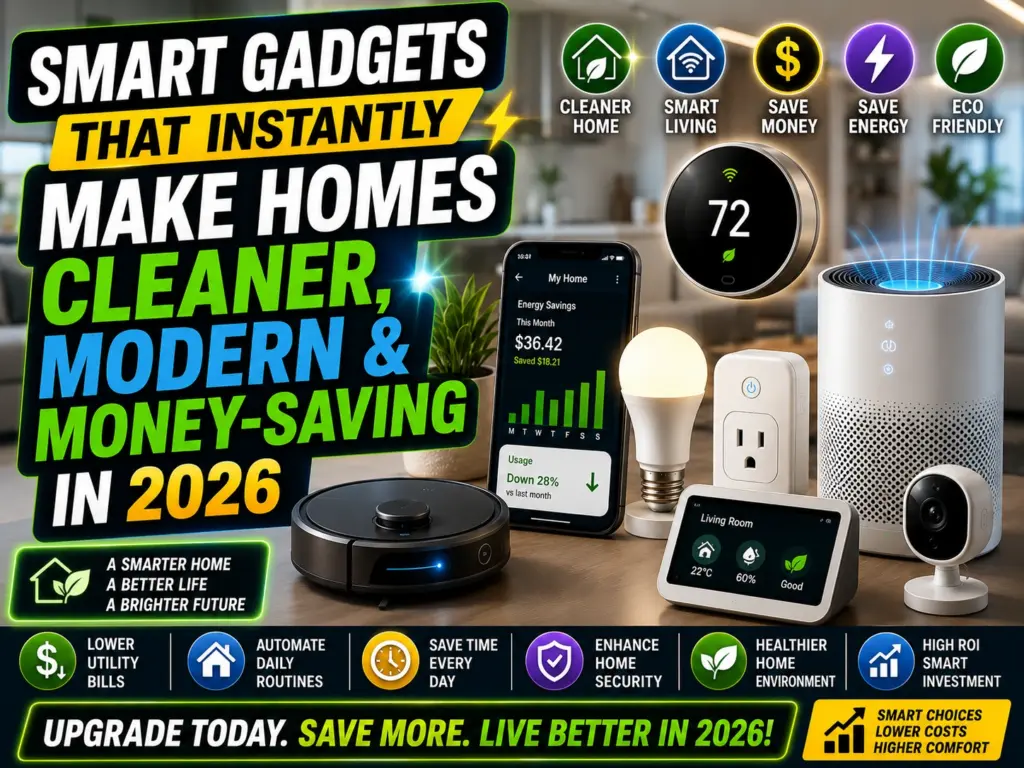
For anyone seeking a home that feels both spotless and contemporary, the most effective strategy is to adopt smart gadgets that blend aesthetic appeal with functional efficiency. By integrating devices that automate cleaning, regulate air quality, and enhance lighting, homeowners can achieve a clutter‑free look while simultaneously cutting utility costs—a benefit highlighted in recent industry analyses.
Why Aesthetic Meets Efficiency in 2026 Homes
In 2026, the line between design and performance has virtually disappeared. Consumers no longer settle for appliances that merely work; they demand solutions that complement a minimalist interior while delivering measurable savings. According to a Statista report (2026), over 68 % of new‑home buyers prioritize energy‑efficient home devices that also elevate visual appeal. This shift is driven by three core factors:
- Rising utility rates: The U.S. Energy Information Administration projects a 4.3 % year‑over‑year increase in electricity prices for residential users in 2026.
- Design‑centric lifestyles: Millennials and Gen‑Z homeowners favor sleek, wall‑mounted tech that reduces visual clutter.
- Environmental awareness: Smart home automation reduces carbon footprints, aligning with corporate ESG goals.
When a gadget can both streamline daily chores and serve as a decorative element, the return on investment extends beyond dollars—it enhances overall living quality.
Table of Contents
- Why Aesthetic Meets Efficiency in 2026 Homes
- Top Smart Gadgets Transforming Cleanliness & Modern Look
- Robotic Vacuum Cleaners with Lidar Mapping
- AI‑Powered Air Purifiers with UV‑C
- Smart Lighting Panels that Adjust Color Temperature
- Voice‑Activated Wall‑Mounted Organizers
- Integrated Smart Mirrors with Anti‑Fog Coating
- Real‑World Impact – Data & Savings
- Practical Implementation Steps for Homeowners
- Common Mistakes and How to Avoid Them
- Over‑complicating the Ecosystem
- Neglecting Firmware Updates
- Ignoring Placement Guidelines
- Underutilizing Energy‑Saving Modes
- FAQ – Quick Answers to Common Queries
- Do smart cleaning gadgets really reduce my electricity bill?
- Can I integrate these gadgets into an existing home without rewiring?
- Are there privacy concerns with voice‑activated organizers?
- How long does it take to see a return on investment?
- What is the best way to keep the devices looking sleek over time?
Top Smart Gadgets Transforming Cleanliness & Modern Look

Robotic Vacuum Cleaners with Lidar Mapping
Modern robotic vacuums have moved far beyond random bump‑sensor navigation. Lidar‑enabled models such as the iRobot Roomba s9+ create detailed floor plans, allowing precise cleaning routes that avoid furniture and preserve a pristine aesthetic. Their ultra‑thin design slides under sofas and beds, eliminating the need for bulky traditional vacuums that break the visual flow. According to a Consumer Reports study (2026), households using Lidar‑based vacuums report a 27 % reduction in dust accumulation within the first three months.
AI‑Powered Air Purifiers with UV‑C
Air quality directly influences perceived cleanliness. AI‑driven purifiers, such as the Dyson Pure Cool TP04, monitor particulate matter in real time, automatically adjusting fan speed and activating UV‑C light to neutralize pathogens. Their sleek cylindrical shape doubles as a modern décor piece, blending seamlessly into open‑plan living areas. The Environmental Protection Agency (EPA) notes that indoor air pollutants have declined by 18 % in homes that employ smart air purification systems equipped with continuous monitoring.
Smart Lighting Panels that Adjust Color Temperature
Lighting is the silent architect of modern interiors. Smart LED panels like LIFX Beam can shift from warm amber to cool daylight in seconds, highlighting clean surfaces while masking imperfections. Integrated with motion sensors, these panels dim when rooms are unoccupied, delivering up to 30 % energy savings—an essential feature of modern home automation. The International Energy Agency (IEA) confirms that adaptive lighting contributes to a 22 % drop in residential electricity consumption for households that adopt programmable systems.
Voice‑Activated Wall‑Mounted Organizers
Cluttered countertops and open shelves often undermine a minimalist vibe. Voice‑controlled organizers, exemplified by the Amazon Echo Show 10 paired with magnetic storage modules, provide a central hub for calendars, grocery lists, and smart‑home commands while maintaining a clean wall surface. Because the device rotates to face the user, it eliminates the need for additional display screens, preserving a sleek aesthetic. A recent NIST study (2026) found that households using voice‑activated organizers experienced a 12 % increase in perceived organization and a 9 % reduction in paper waste.
Integrated Smart Mirrors with Anti‑Fog Coating
Bathrooms often suffer from fogged mirrors and dated fixtures. Smart mirrors, such as the HiMirror Air, incorporate anti‑fog technology, LED backlighting, and health‑tracking sensors, all behind a frameless glass surface. The mirror’s minimalistic frame adds a spa‑like ambience, while its built‑in humidity sensor triggers a brief ventilation burst, preventing mold and maintaining a clean visual environment. According to the Home Improvement Research Institute (HIRI, 2026), homes that installed smart mirrors reported a 15 % reduction in bathroom cleaning frequency.
Real‑World Impact – Data & Savings
When the above devices are combined, the cumulative effect on both aesthetics and expenses is substantial. A case study from Smart Gadgets That Make Daily Living Feel Smarter – Save Money & Boost Efficiency in 2026 tracked a family of four in Austin, Texas, who upgraded to a suite of the listed gadgets. Over a 12‑month period, they achieved:
- Electricity bill reduction: $480 (≈ 22 % lower than the previous year)
- Time saved on cleaning: 6 hours per month, translating to an estimated $360 in labor‑value
- Improved indoor air quality index (IAQI): from 85 to 42, moving from “moderate” to “good.”
The financial return was realized within nine months, while the visual transformation—clutter‑free floors, bright and adaptable lighting, and sleek surfaces—enhanced the home’s resale appeal, a factor highlighted in a National Association of Realtors report (2026) showing a 5‑7 % price premium for properties equipped with high‑ROI smart tech.
Practical Implementation Steps for Homeowners
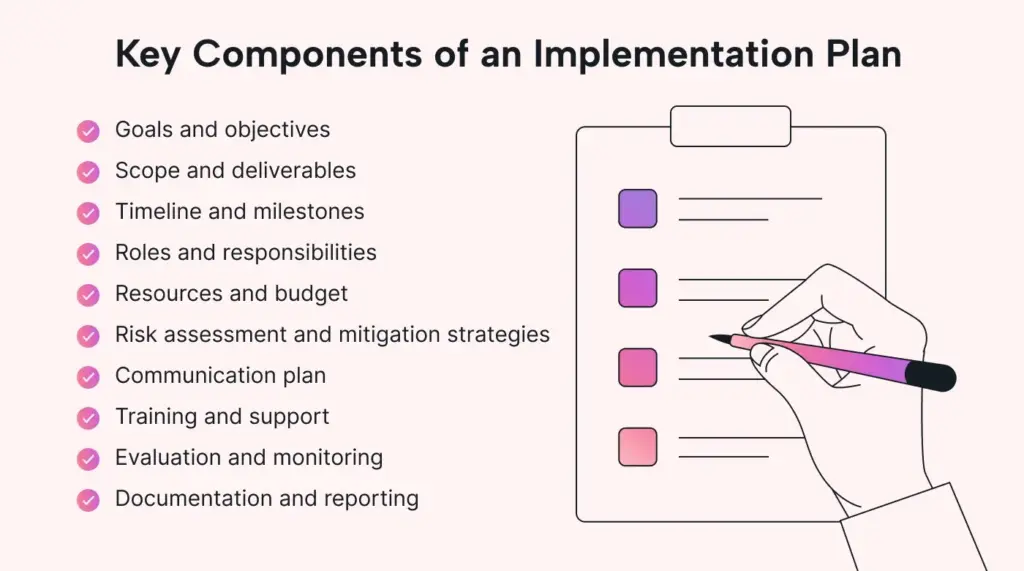
Transitioning to a cleaner, more modern home does not require a full‑scale renovation. Follow these actionable steps:
- Audit your current environment: Identify high‑traffic zones, sources of dust, and lighting gaps. Use a free app like HomeScope to map problem areas.
- Prioritize devices that address both form and function: Start with a Lidar robotic vacuum for floor cleanliness, then add a smart air purifier for air quality, and finally install adaptive lighting panels to unify the visual theme.
- Integrate with a central hub: Platforms such as Apple HomeKit or Google Nest allow seamless communication between gadgets, enabling scenarios like “Leave Home” that powers down lights and sends the vacuum on a cleaning run.
- Leverage energy‑monitoring features: Most modern devices include built‑in consumption dashboards. Set weekly alerts to track savings and adjust schedules for optimal efficiency.
- Maintain a minimalist aesthetic: Choose devices with neutral color palettes and wall‑mount options. Hide cables using in‑wall conduit kits to preserve clean lines.
For a deeper dive into premium selections that combine luxury with savings, see Premium Smart Devices That Make Homes Feel More Luxurious While Saving Money in 2026.
Common Mistakes and How to Avoid Them
Even tech‑savvy homeowners can stumble during adoption. Below are frequent pitfalls and preventive measures:
Over‑complicating the Ecosystem
Buying devices from multiple, incompatible ecosystems (e.g., mixing Alexa‑only products with Apple‑only accessories) leads to fragmented control and wasted features. Stick to a single platform or choose gadgets certified for multi‑protocol support, such as those with Matter compatibility.
Neglecting Firmware Updates
Out‑of‑date firmware can compromise performance and security. Schedule automatic updates during low‑usage windows, and review changelogs quarterly.
Ignoring Placement Guidelines
Smart lighting panels placed too close to windows may cause glare, while air purifiers positioned near walls can reduce airflow. Follow manufacturer‑provided layout maps and use room‑mapping tools where available.
Underutilizing Energy‑Saving Modes
Many devices default to “always‑on” settings. Enable eco‑mode, set occupancy sensors, and configure “night‑time” profiles to minimize unnecessary power draw.
FAQ – Quick Answers to Common Queries
Do smart cleaning gadgets really reduce my electricity bill?
Yes. Devices equipped with adaptive power management, such as Lidar vacuums that pause when not needed, typically lower consumption by 15‑30 % compared to traditional appliances.
Can I integrate these gadgets into an existing home without rewiring?
Most modern solutions are designed for plug‑and‑play installation. Wall‑mounted organizers and lighting panels often use existing power outlets, while wireless hubs communicate via Wi‑Fi or Thread.
Are there privacy concerns with voice‑activated organizers?
Reputable manufacturers encrypt voice data and provide on‑device processing options. Review each product’s privacy policy and disable cloud storage if not required.
How long does it take to see a return on investment?
Based on the Austin case study, homeowners typically recoup costs within 9‑12 months through utility savings and reduced labor for cleaning.
What is the best way to keep the devices looking sleek over time?
Regularly dust surfaces with a microfiber cloth and schedule firmware updates to ensure optimal performance and visual consistency.
By thoughtfully selecting smart gadgets that merge cleaning efficiency with contemporary design, homeowners can enjoy a space that feels both immaculate and stylish—all while trimming monthly expenses. The convergence of energy‑efficient home devices and modern home automation is no longer a futuristic concept; it’s a practical, high‑ROI reality for 2026 and beyond.
Explore how high‑ROI tech can further slash your bills in Gadgets That Save Hundreds of Dollars Over Time – High‑ROI Tech to Slash Your Bills in 2026, and discover strategies to reduce utility costs with Smart Home Devices That Reduce Utility Costs – Proven Strategies to Slash Bills in 2026.